Scientific Research
Recombinant proteins are fundamental tools in biological and biomedical research. Academic laboratories and research institutes rely on purified proteins to study biological mechanisms, understand disease pathways, and develop new therapeutic strategies.
Proteins are used in a wide range of experimental techniques, including structural biology, enzymatic assays, molecular interaction studies, and drug discovery programs.
The availability of reliable protein expression systems is therefore essential to advance scientific knowledge and accelerate innovation in life sciences.
Applications

Structural biology
Structural biology aims to determine the three-dimensional structure of proteins in order to understand their function. Techniques such as X-ray crystallography and cryo-electron microscopy require large quantities of highly purified proteins.

Drug discovery
Recombinant proteins are widely used as targets in drug discovery programs.
Screening campaigns rely on purified proteins to evaluate interactions with potential therapeutic molecules.
Proteomics
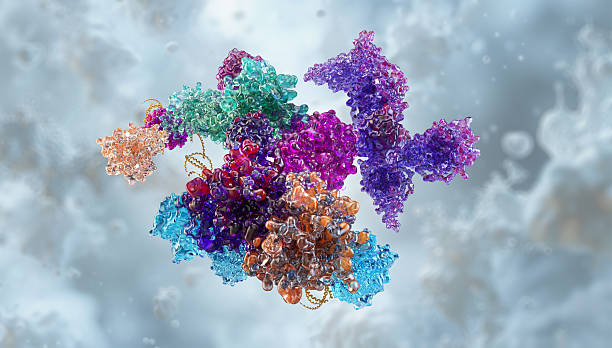
Proteomics studies aim to understand the global organization of proteins within biological systems.
Recombinant proteins are used as standards, reference molecules, and experimental tools.

Synthetic biology
Synthetic biology involves designing and engineering biological systems.
Modified proteins are used to construct metabolic pathways and new biological functions.
Laboratory enzymes
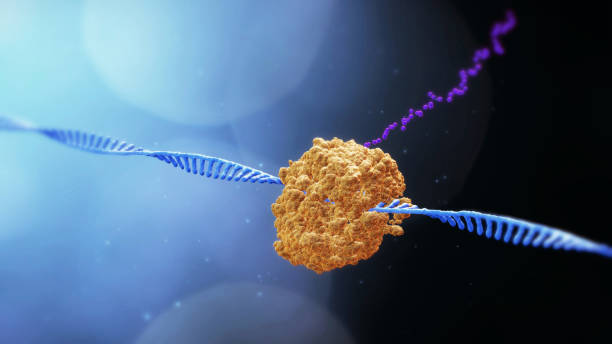
Many biochemical experiments rely on purified enzymes.
Recombinant protein production enables laboratories to obtain enzymes with defined properties and consistent activity.
WHY PROTEOY
ProteoY enables rapid production of recombinant proteins required for academic research.
The platform is particularly suited for proteins that are difficult to express in bacterial systems or require eukaryotic folding mechanisms.